need for some form of currency arose quite early on. Barter was certainly a well-thought-out business strategy, but sometimes a small problem arose.
o Just imagine going to the market with a single cow that you need to trade for a knife, shoes, and salt.
o Three merchants would have a hard time agreeing on joint ownership of a single cow.
But humanity had a long journey before it arrived at money. Every country had a different form of currency.
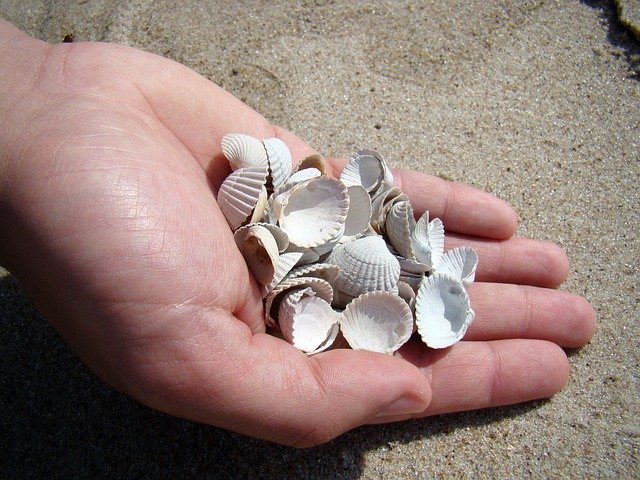
· In China, people could buy necessary items with shells.
· If we found ourselves in the Great Moravian Empire, we would have to carry around iron bars called hřivny.
In Prague at the end of the first millennium, shopping was much easier—at least in terms of the weight of the currency. People paid with woven scarves. Perhaps the word “platit” (to pay) originates from that time, possibly derived from the word “plátno” (cloth). One scarf could buy a hen. But it still wasn’t quite right.
o The Chinese man mentioned earlier could collect countless shells, and a skilled weaver could stock up on scarves for years to come.
It was therefore necessary to devise a form of currency that was scarce. And that was precious metals. Gold, silver, and bronze also have the property of being easy to work with. And that was just a small step toward the production of coins.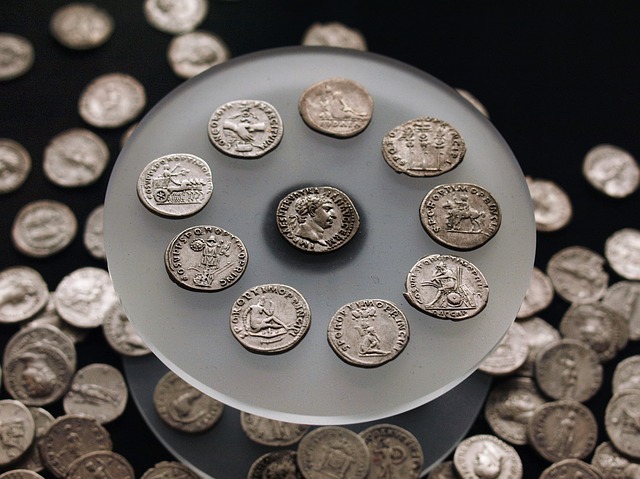
The Path to the Prague Groschen
The first coins to appear in our territory were gold staters (rainbow coins), used by the Celts. In the 10th century, the Přemyslids put the well-known denarii into circulation. King Wenceslas II, during the heyday of the Kingdom of Bohemia, began minting PRAGUE GROŠES in 1300. It was one of the most sought-after and volatile currencies far and wide. The Prague groš remained in circulation for nearly three hundred and fifty years. It was a silver coin that carried weight in the world.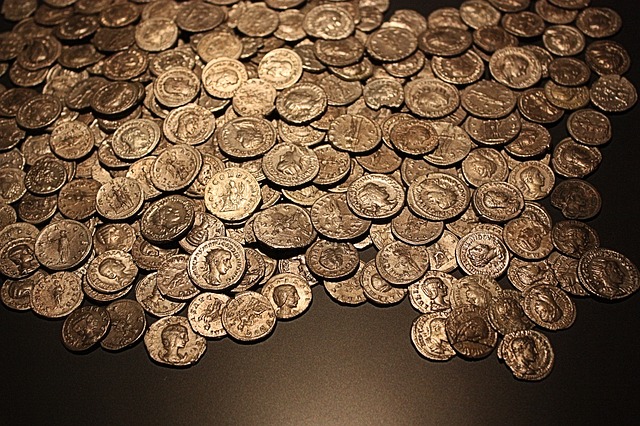
However, with its actual weight (3.5 grams), it was certainly no match for the currency used on the Micronesian island of Yap. There, they paid with stone sculptures two and a half meters in diameter.